Recruitment has changed a lot in 15-20 years. Remember newspaper ads, job fairs, and rolodexes? Those old-school methods feel ancient now. Today, recruiting is all about tech.
Back in 2008, social media was just getting started in the professional world. LinkedIn was only 5 years old, and using it for recruiting was new. Now? Social media recruiting is a must. But that’s just the beginning—tech has completely reshaped hiring. Applicant Tracking Systems (ATS) changed how we manage candidates. Video interviews went from rare to essential during the pandemic and are now standard.
Why does this matter? Because in today’s fast job market, tech isn’t optional—it’s necessary. It helps recruiters work smarter, reach more talent, and give candidates a better experience. And candidates expect it. They want a smooth, digital hiring process. If you’re not tech-savvy, you’ll lose top talent to competitors who are.
Most importantly, tech helps recruiters make data-driven decisions. In an industry where hiring the right people is everything, AI and analytics give you a real edge.
In this article, we’ll cover 13 must-know recruiting technologies. Whether you’re a pro updating your tools or new to the field, this guide will help you stay ahead.
Let’s dive in.
Key Technologies for Recruiters:
1. Applicant Tracking Systems (ATS)
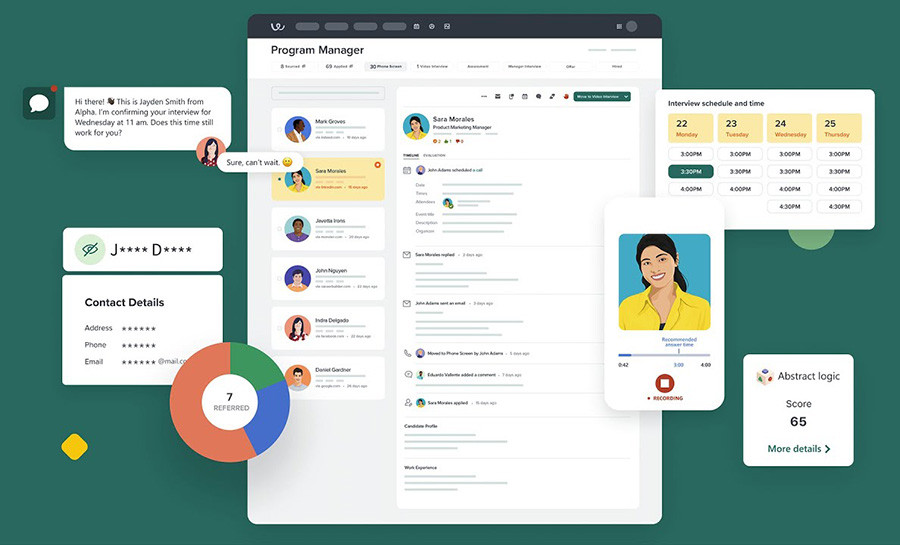
Applicant Tracking Systems are software platforms that help manage the hiring process. They let recruiters post jobs, collect applications, screen candidates, and track applicants through the hiring stages. ATS tools are essential for modern recruitment, especially when dealing with many job openings and applicants.
These platforms make it easier to sort through applications, collaborate with team members, and keep track of where each candidate is in the hiring process. This helps recruiters make better hiring decisions and fill positions faster.
Examples: Greenhouse, Lever, Workable, iCIMS.
2. Customer Relationship Management (CRM) systems
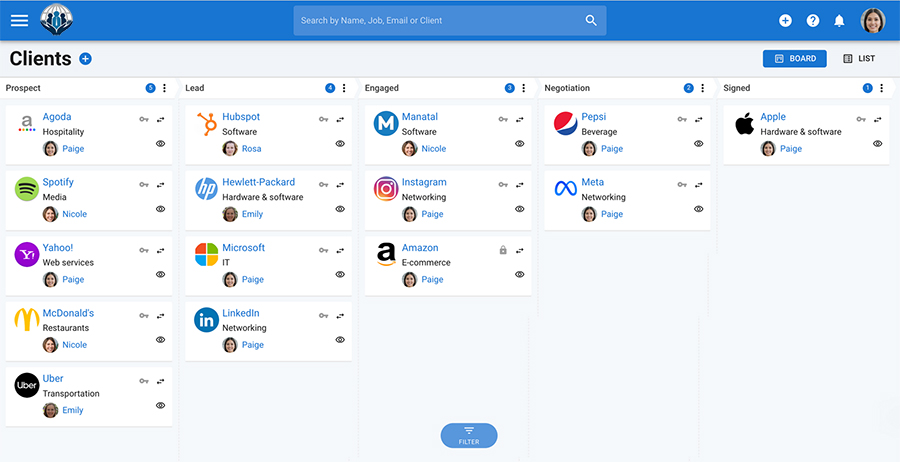
CRM systems help recruiters manage relationships with candidates and clients. They store contacts, track conversations, and help build long-term connections. This makes it easier to keep a strong talent pool and stay close with hiring companies.
With a CRM, recruiters can see past interactions, set reminders to follow up, and understand how well their recruiting is going. This means better experiences for candidates and more successful hires.
Examples: Bullhorn, Hubspot, Zoho Recruit
3. LinkedIn Recruiter
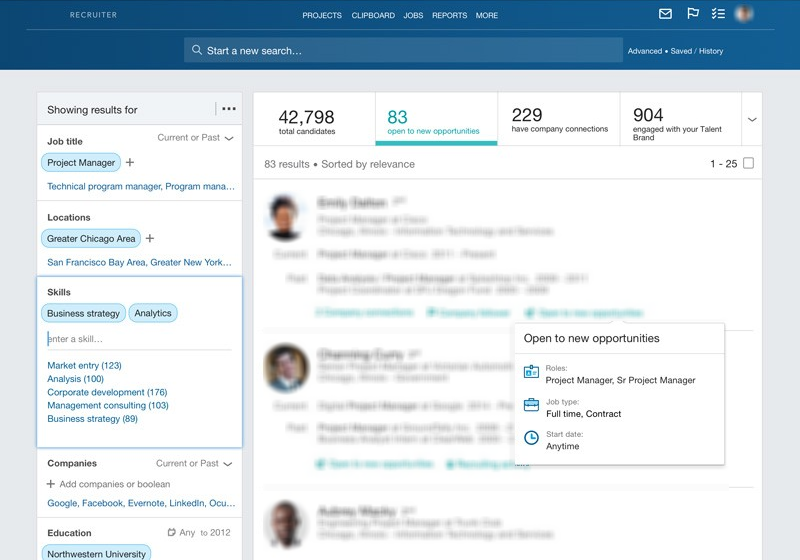
LinkedIn Recruiter is a premium tool that helps you find and reach out to job candidates on LinkedIn. It offers advanced search filters, lets you message people directly, and gives info about talent pools. It’s great for finding candidates, especially for tough jobs.
This tool helps you quickly find the right people, even if they aren’t actively looking for work. You can search by skills, experience, and location. It also shows how candidates compare to others and sends alerts about good matches for your jobs.
4. Job Boards and Aggregators
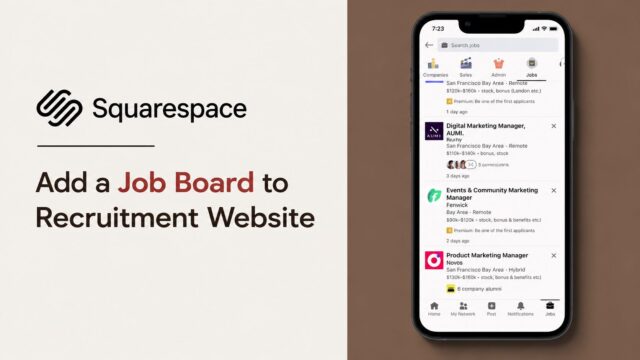
Job boards are websites where employers post jobs and job seekers look for work. Job aggregators gather job listings from many sites and show them all in one place. These platforms help get your job ads seen by lots of candidates.
Many also offer extras like resume databases, tracking applications, and sometimes screening candidates. This helps recruiters save time and find good candidates faster.
Examples: Indeed, Glassdoor, ZipRecruiter, Monster
5. Video Interviewing Platforms
Video interviewing platforms let recruiters interview candidates remotely. You can do live video calls or have candidates record answers to set questions. These platforms have become increasingly important with the rise of remote work and global hiring.
Examples: Zoom, HireVue, Spark Hire, VidCruiter
6. AI-powered Recruiting Tools
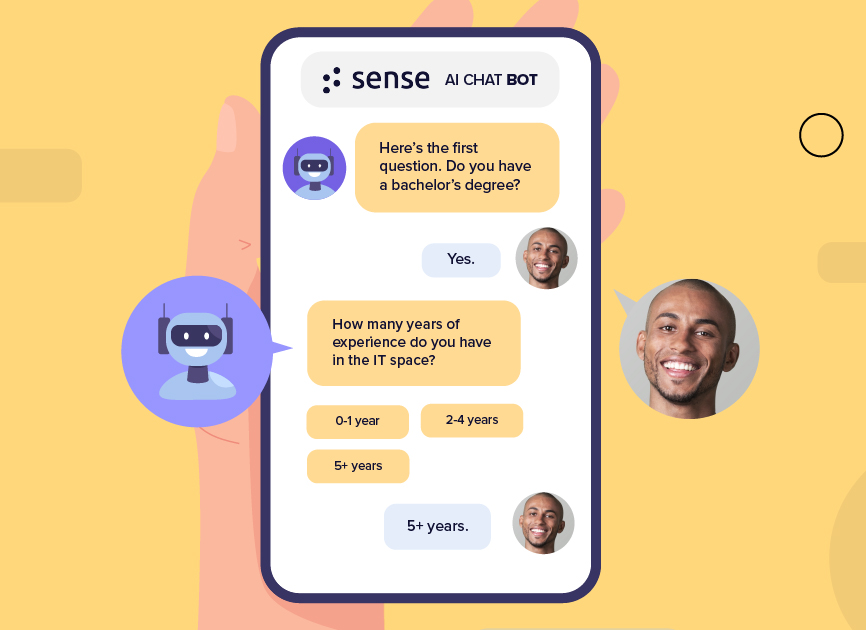
AI-powered recruiting tools use artificial intelligence to make hiring easier and faster. They include chatbots to talk with candidates, software to screen resumes, and analytics to predict who fits best.
These tools save recruiters time by handling routine tasks, reduce bias, and give smart insights. They quickly review many applications, chat with candidates anytime, and help spot the best hires.
Some AI-powered recruiting tools include ChatGPT, Paradox, and Textio.
7. Resume Parsing Tools
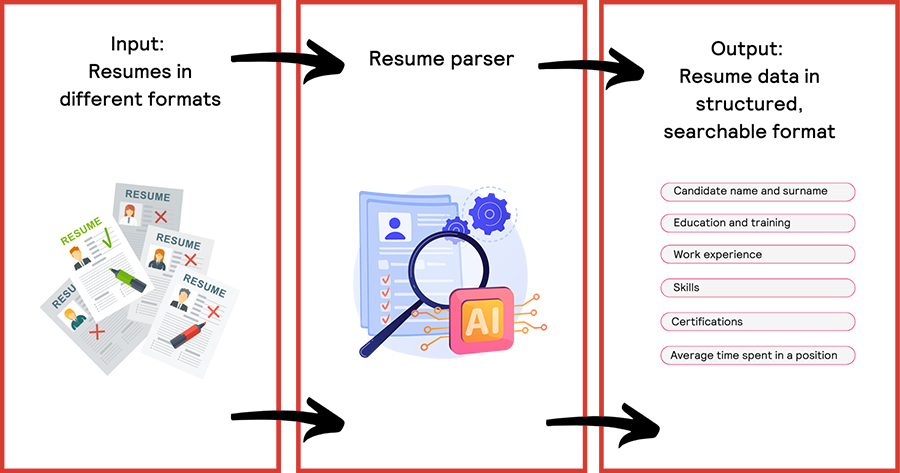
Resume parsing tools automatically pull important info from resumes like work experience, education, skills, and contacts. They turn this info into an easy-to-use format.
These tools save recruiters time by cutting out manual data entry. They make it fast to search big candidate pools, keep data consistent, and even match candidates to jobs automatically.
Popular resume parsing tools include Sovren, Daxtra, and HireAbility.
8. Skills Assessment Platforms
Skills assessment platforms let you test candidates on job-related skills. This could be coding tests for programmers, writing tasks for content creators, or soft skills checks for customer service roles.
These tools help recruiters choose better by giving clear proof of what candidates can do. They speed up hiring by finding top talent fast and improve hire quality by making sure candidates have the right skills.
Examples: HackerRank, Codility, TestGorilla
9. Background Check Software
Background check software automates the process of verifying a candidate’s history, including criminal records, employment, education, and credentials. It streamlines the verification process, saving time and reducing manual effort for HR professionals and recruiters.
This technology reduces the risks associated with bad hires, and ensuring compliance with industry regulations.
Examples: HireRight, GoodHire, Checkr, and Sterling
10. Recruitment Marketing Platforms

Recruitment marketing platforms help companies attract and connect with job seekers using marketing tools. They make it easy to create and share job ads, manage career websites, and track how candidates interact on different channels.
Recruiters use these platforms to boost their employer brand, reach more candidates, and make the hiring process more engaging. They can also see what works best and improve their marketing efforts over time.
Popular recruitment marketing platforms include Talemetry, SmashFly, Phenom People, and Jobvite.
11. Social Media Management Tools
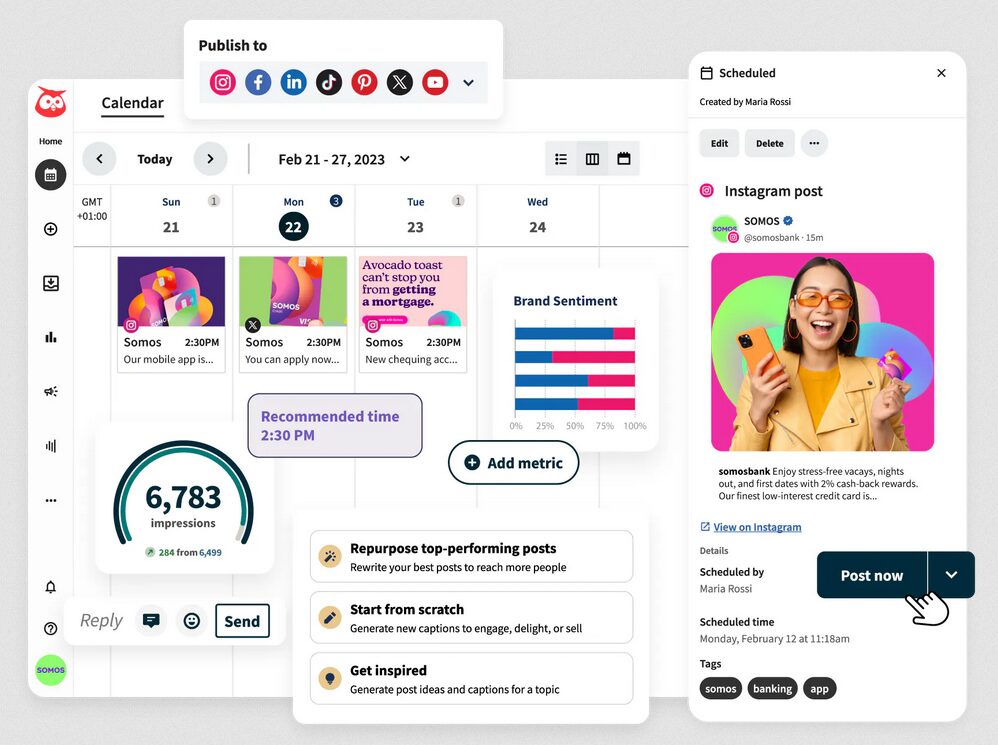
Social media management tools help companies handle all their social media in one place. You can schedule posts, watch what people say about you, check how many likes or comments you get, and manage several accounts easily.
For recruiters, these tools are great for building a strong employer brand, connecting with potential candidates, and sharing job openings. They also help recruiters learn more about candidates by checking their social profiles.
Examples of social media management tools include Hootsuite, Sprout Social, Buffer, and Later.
12. Employee Referral Platforms
Employee referral platforms are systems that encourage and manage employee recommendations for job openings. These platforms typically include features for sharing job postings, tracking referrals, and rewarding employees for successful hires.
Recruiters benefit from these platforms by tapping into their employees’ networks to find high-quality candidates. This often leads to faster hiring, better cultural fits, and improved employee retention rates.
Some popular employee referral platforms are Teamable, RolePoint, Referral Rock.
13. Onboarding Software
Onboarding software helps streamline the process of integrating new hires into an organization. These platforms typically include features for managing paperwork, training schedules, and introductions to company culture and policies.
These platforms ensure a smooth transition for new hires, reducing time-to-productivity, and improving employee retention.
Examples: BambooHR, Enboarder, Workday, and ClearCompany.
Conclusion:
The key to success in recruitment today is balancing modern technology with the human touch that makes hiring personal. When adding new tools to your process, focus on those that fit your agency’s needs and challenges best.
Start small—try out a few tools, learn how they work, and slowly add more as you see real benefits. Technology changes fast, so keep yourself updated. Join webinars, join industry groups, and ask vendors for demos or trials to stay ahead and make smart choices.